

There is no single honest answer to "How long does a cooler box stay cold?" A closed box full of frozen bottles might sit in a cool room for a long time. The same box, half full on a van floor and opened for drinks, has a harder day. Before accepting a figure in hours, find out which of those jobs was tested.
This does not call for a laboratory. Tell the supplier what the day actually looks like. Then keep the packing notes, so that whoever runs the second trial is not relying on memory.
The contents set the target. Drinks, food and laboratory samples may need quite different temperatures. The FDA's outdoor guidance says, "Cold food should be stored at 40 °F or below." That advice concerns food handling; it is not a rating for these coolers. FDA advice for outdoor meals
Suppose the job is an eight-hour laboratory delivery that must stay between 2 °C and 8 °C. Does a single reading above 8 °C fail the trial? Settle that question first. It is too late once everyone is standing around the finished graph.
Pack the trial as the cooler will be used
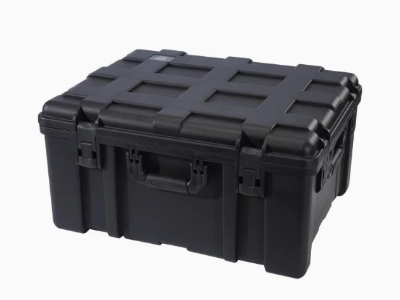
Retention belongs to the packed system, not the empty shell. That sounds obvious, yet cooler comparisons often change both the load and the amount of ice.
Measure the starting point
Load warm bottles and the ice begins working on them before the trip has started. USDA puts the preparation plainly: "Refrigerate or freeze the food overnight before you depart." USDA advice for camping and boating
At lid-down time, write down the load temperature and whether the cold packs are hard-frozen or merely chilled. Otherwise, refrigerator-cold stock may be compared with bottles left on a bench for an hour.
Weigh the cold source
A report that says only "packed with ice" cannot be reproduced. Cubes fall into gaps. A solid block does not, and gel packs make yet another arrangement. Put the cold source on a scale, then photograph the open box. That one picture often explains a puzzling result later.
Empty space belongs in the notes. FDA guidance says, "A full cooler will maintain its cold temperatures longer than one that's partially filled." FDA packing advice Use the planned load when it is available. For an early comparison, substitutes are fine. Record their weight and position.
Test the place where the box will work
Choose the test location from the route. A warehouse shelf is a gentle test compared with a hot van floor or an outdoor work area. If the actual route includes a hot surface or direct sun, the trial should include it as well.
Lid use needs a number too. Six openings of ten seconds can be repeated. "Open as needed" cannot. USDA advice recommends shade and fewer openings for food coolers; it also suggests separating drinks when people would otherwise keep opening the food box. USDA grilling-away-from-home guidance
The test log should also say what left the box. Removing a bottle changes the load and empty space; returning a warm item adds heat. Record the time, the item and whether anything went back inside. Two operators can then follow the same opening schedule without running different trials.
A strip of masking tape on each bottle is useful here. Number the bottles, and the operator can log exactly which one moved without pausing the test.
Decide where temperature will be measured
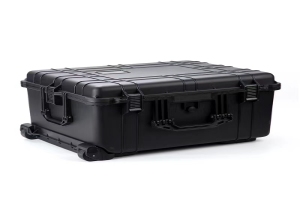
A probe wedged against a frozen pack can make almost any test look good. It may also miss the container warming near the lid. Measure the load where a temperature problem would matter.
Mark every sensor on the packing drawing
Take a photograph of the probes before the lid goes down, or draw each one on the packing sketch. Start beside the contents with the tightest limit. The exposed top layer or far corner may deserve another sensor.
Save the curve. It tells more than the finish time: whether warming crept up slowly, followed an opening or appeared suddenly after a probe shifted.
Keep the comparison narrow
If the next run uses a bigger box, twice the ice and fewer openings, a longer result proves very little. Any one of the changes may have helped.
Keep the load and cold source steady while comparing models. Keep the model steady while changing the packing pattern. Run important trials again. The second result may expose a packing or operator difference that the first one hid.
Draw the load inside the cooler
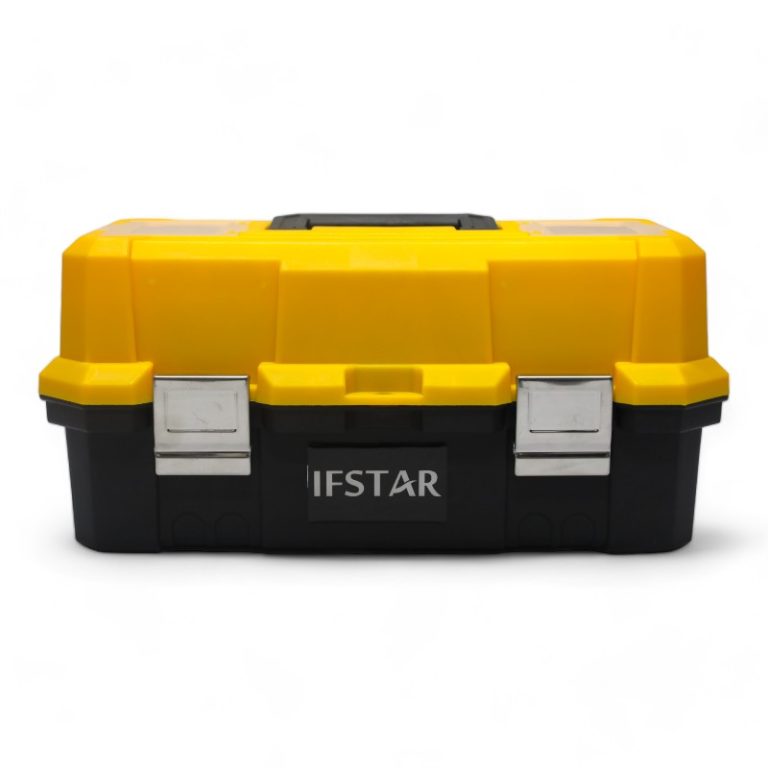
A capacity figure is a starting point. The bottles, tubs and cold packs still need an arrangement that leaves the lid free to close normally.
The IFSTAR portable cooler box category shows two starting formats. The NL-10 portable cooler box has an upright body. For an initial layout, use the catalogue figures of 35 × 30 × 36 cm outside and 20 × 20 × 28 cm inside. NL-18 is rectangular. Its product page gives 47.5 × 30 × 34 cm outside and 33 × 20 × 26.5 cm inside.
These measurements help with a loading sketch. They say nothing about the number of hours either model will hold a chosen temperature. That requires performance evidence tied to a stated configuration, or a sample trial based on the buyer's conditions.
Send those conditions with the enquiry: contents, temperature range, duration, likely surroundings, cold source and opening schedule. Add quantity, destination, branding and packing needs where they apply. The custom case enquiry guide provides a place to keep the information together. Once the sample is on hand, note its fit and trial results against the sample review guide.
FAQ
Why does the quoted time need test conditions?
Because the result describes one setup. Change the load, weather, ice quantity or lid use and the time can change. Ask what sat behind the quoted number. File the answer with the purchase record. On the next order, the team can check the same conditions instead of arguing over what an old quotation seemed to promise.
Will the larger model remain cold longer?
Not necessarily. More room can mean more empty air and more ice, so the size label alone settles nothing. Run both boxes from the same written test sheet.
Can I compare coolers by filling them with ice?
Yes, for an early comparison. An ice-only run does not reproduce every loaded job. When approving an order, pack the intended contents or a clearly documented stand-in.
What should be written beside a retention result?
Begin with the exact model and sample configuration. The rest of the note should cover the load, ice or gel packs, ambient temperature, openings, probe positions and pass point.