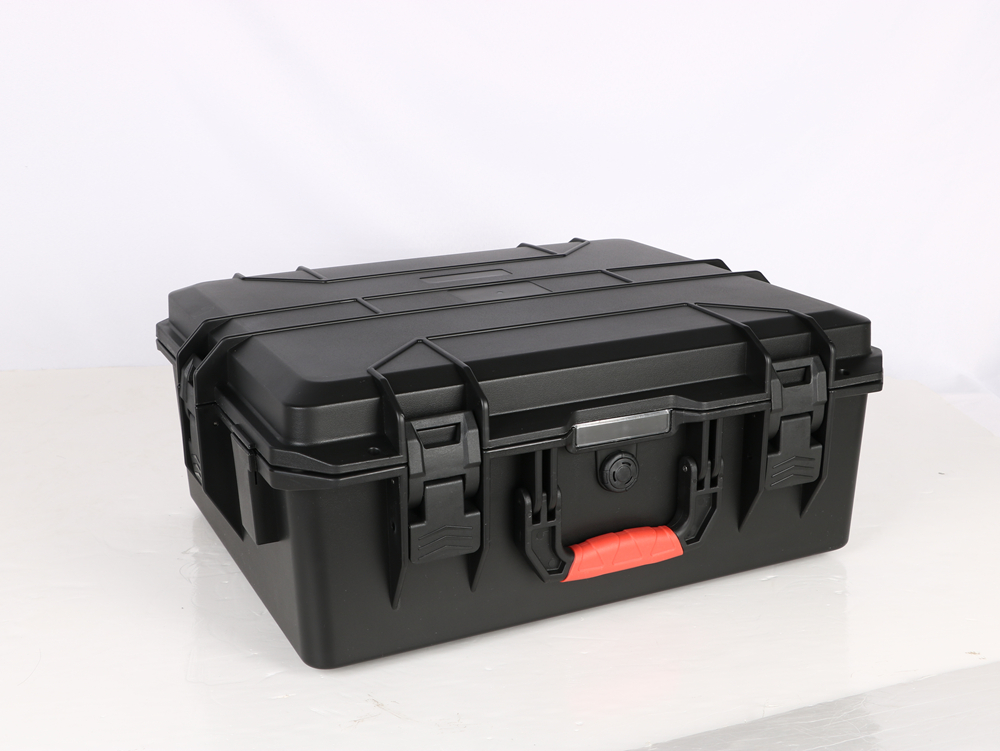
IP65 vs IP67: What the Ratings Mean for Protective Equipment Cases
Compare dust and water tests, then verify the rating against the exact case configuration.
Read article →
Read practical project notes before discussing a case or custom interior.
Practical points to prepare your enquiry.
Compare dust and water tests, then verify the rating against the exact case configuration.
Read article →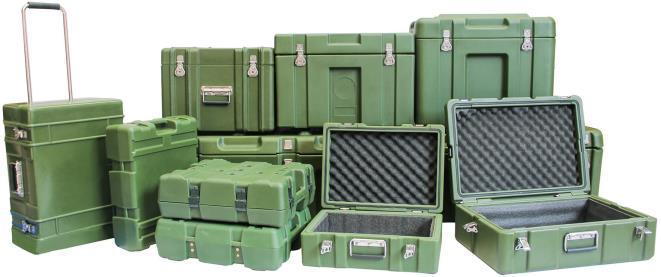
Compare flexible pick-and-pluck foam with repeatable CNC-cut layouts for equipment cases.
Read article →
Replace vague ice-retention promises with a repeatable test covering load, temperature, environment and lid opening.
Read article →
Compare rigid and soft formats against the equipment, handling route, access needs and complete packed weight.
Read article →
Compare molded case processes through usable dimensions, hardware, packed handling and order economics.
Read article →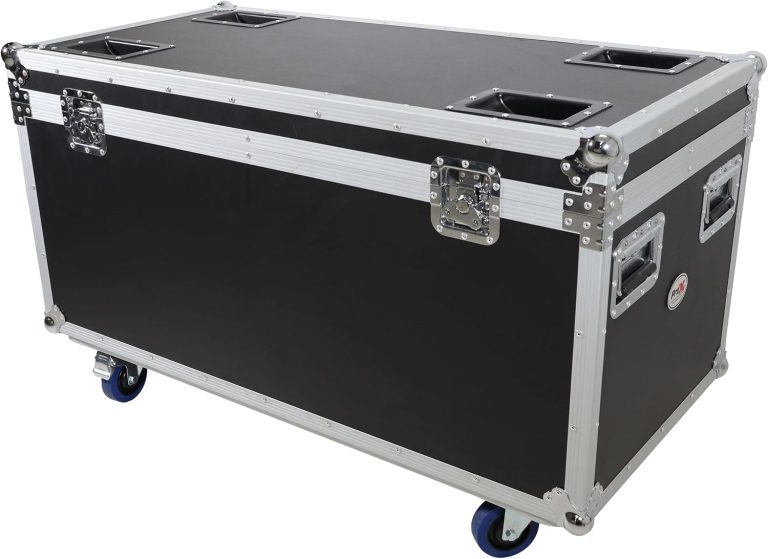
Compare aluminum and plastic cases by construction, loaded handling, route, environment and customization needs.
Read article →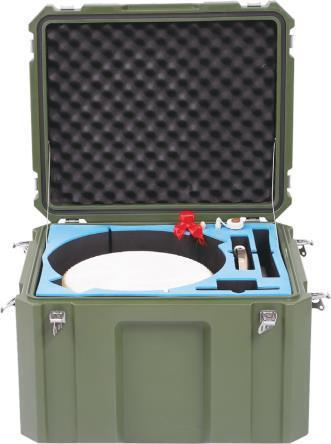
Plan a fitted foam organizer around the complete tool set, real hand access, case depth and a loaded sample review.
Read article →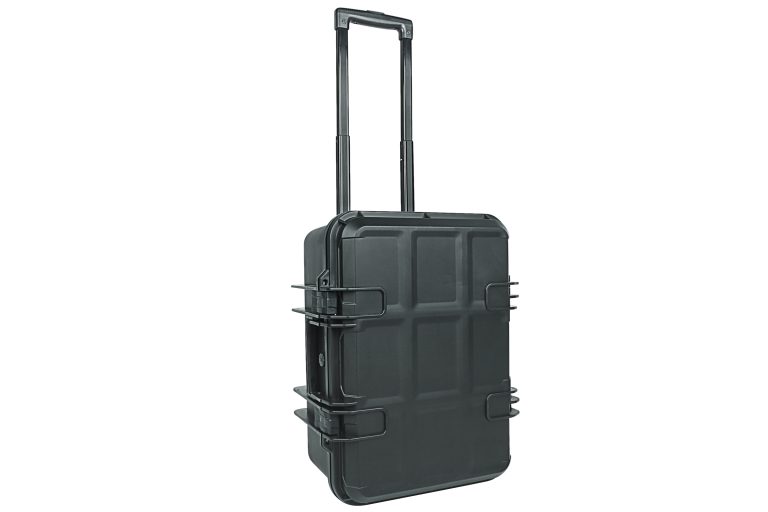
Work backwards from the shipment to check the route, complete kit, usable space, evidence and loaded sample.
Read article →Specify the exact case evidence, equipment fit, foam layout, handling route and sample review as one packed system.
Read article →Read the two IP67 digits separately, define the actual exposure and verify evidence for the exact closed case configuration.
Read article →Choose a cooler from the complete load, cold source, usable interior, route, opening schedule and repeatable sample test.
Read article →
Start with the main device, then list its accessories.
Read article →Bring the case, interior and order requirements together.
Read article →Share your equipment dimensions, quantity and customization requirements.